
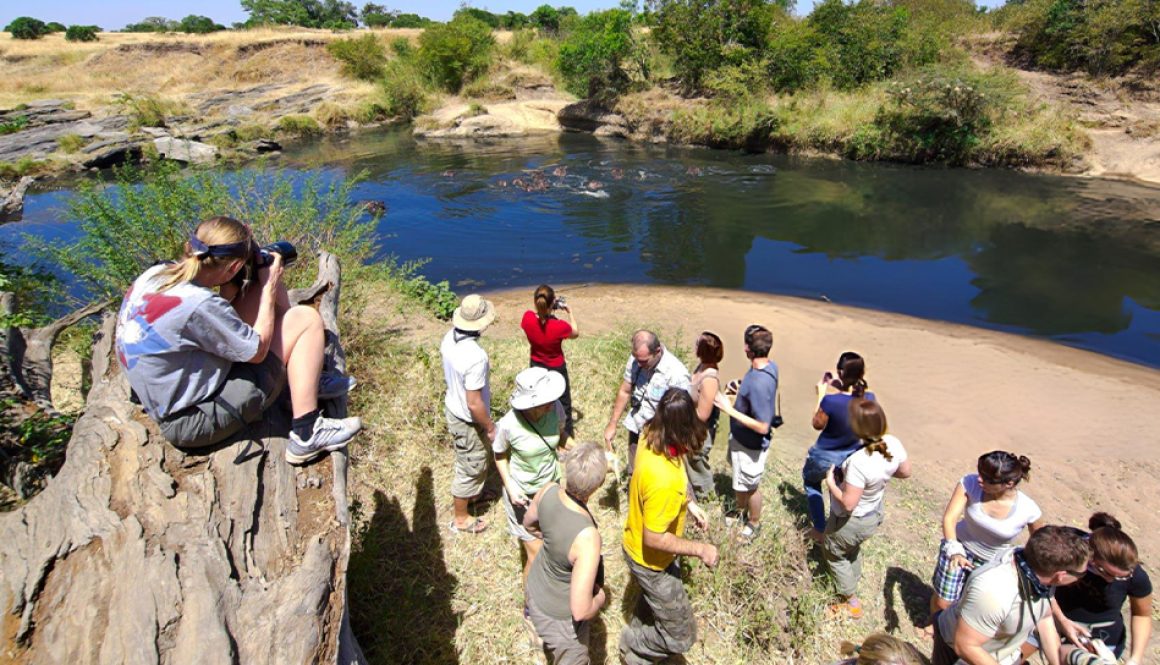
Exploring Kenya with Kids: The Ultimate Kenya Family Safari Guide
Is Kenya really a good destination for an unforgettable family safari with kids, or is it a wild, unpredictable landscape best left to seasoned adult adventurers? The answer is an overwhelming, resounding yes – Kenya is not only suitable for children, but it may very well be the most thrilling, transformative, and deeply educational classroom on Earth. Imagine trading textbooks for the roar of a lion echoing across the savannah, or replacing screen time with the sight of thousands of wildebeests thundering through golden grasses. A luxury family safari here isn’t just a holiday; it’s a living adventure story where your children are the main characters.
Starting: Nairobi as a Low-Stress Landing Pad
Your family safari journey naturally begins in the vibrant capital of Nairobi, which serves as the perfect low-stress landing pad to let young travelers shake off jet lag before diving into the deep wilderness. Rather than rushing straight out onto long, bumpy dirt roads, spending a day or two in Nairobi gives kids an intimate, hands-on introduction to African wildlife. At the Giraffe Centre in Karen, children can stand on elevated wooden platforms and hand-feed endangered Rothschild giraffes, feeling the rough, sandpaper-like texture of a twelve-inch purple tongue taking pellets right from their palms.
Just down the road lies the Sheldrick Wildlife Trust, an internationally renowned elephant orphanage. Here, children can watch tiny, mud-covered infant elephants trot out for their morning milk bottles, listening to the keepers share touching stories of how each rescue calf was given a second chance at life. It’s an emotional and eye-opening start to your family safari that instills a sense of conservation and empathy in young minds before they even set foot in a national park.
Nairobi Landing Pad  -->  Lake Naivasha  -->  Maasai Mara  -->  Diani Beach
(Giraffe & Elephants)    (Boating/Biking)    (The Big Five)    (Coast & Reefs)
Active Exploration in Lake Naivasha & Hell’s Gate
From Nairobi, the family safari trail leads down into the dramatic Great Rift Valley toward Lake Naivasha. Unlike traditional game drives where kids are required to stay seated inside a vehicle for hours, Naivasha offers the rare luxury of active exploration. Family-friendly boat rides glide past pods of wallowing hippos and towering fever trees filled with fish eagles, giving everyone a safe, front-row seat to aquatic birdlife.
Nearby lies Hell’s Gate National Park, one of the few national reserves in Kenya where you can safely ride bicycles or take guided walking safaris alongside grazing zebras, giraffes, and hartebeests. For kids who have plenty of energy to burn, pedaling past prehistoric cliffs and harmless herds feels like stepping directly into a real-life video game, proving that an authentic family safari doesn’t always have to take place behind the window of a four-wheel-drive vehicle.

The Crown Jewel: Maasai Mara Magic
Next comes the undisputed crown jewel of any family safari: the legendary Maasai Mara. Flying into the Mara via a short bush-plane flight is often an adventure in itself, soaring high above winding rivers and endless plains before touching down on a remote airstrip. The Mara is where the magic of the African bush truly unfolds in full color.
Depending on the time of year, your family might witness the breathtaking Great Migration, where millions of wildebeest and zebras brave predator-filled rivers in search of fresh grazing. But even beyond the migration, a family safari in the Mara delivers constant excitement. Expert safari guides act as passionate teachers, turning every game drive into a scavenger hunt. Kids quickly learn how to spot a lion resting under an acacia tree, track leopard footprints in the dry dirt, and distinguish between a Thomson’s gazelle and an impala. Exceptional child-friendly lodges cater specifically to young explorers, offering bushcraft lessons, bow-and-arrow making, and wildlife tracking games led by local Maasai guides.
Cultural Connections That Last a Lifetime
These cultural interactions are often what children remember long after the family safari ends. Visiting a traditional Maasai village offers a genuine, respectful window into a culture that has coexisted with wild predators for centuries. Maasai warriors, dressed in brilliant red shúkà fabrics, warmly welcome families with traditional jumping dances and songs.
Kids on a family safari are invited to join in, try their hand at starting a fire using two wooden sticks, and learn about the local medicinal plants scattered across the plains. These moments bridge geographic and cultural divides, teaching young travelers about community, tradition, and respect for nature in a way no classroom ever could.
Smart Pacing & Planning for Young Adventurers
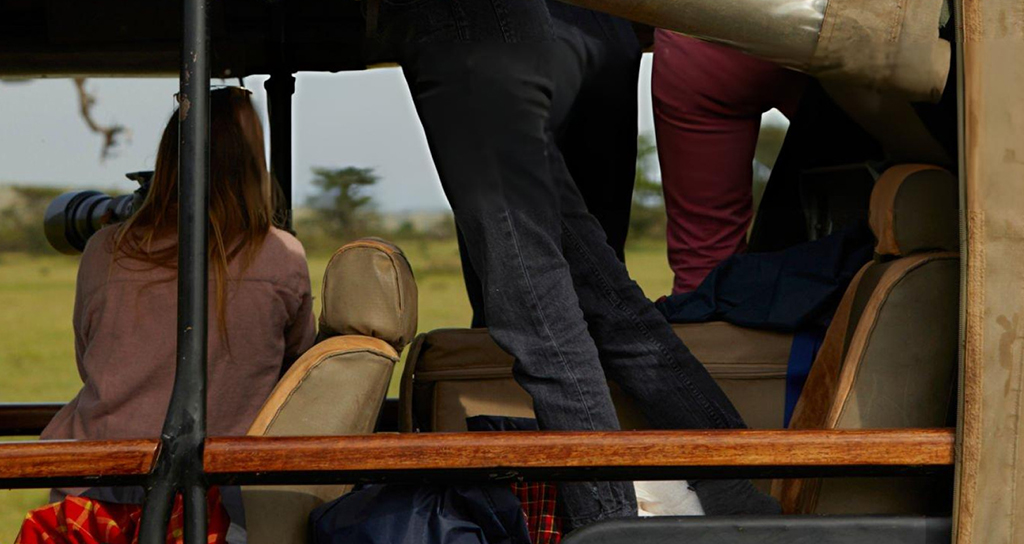
To ensure the journey remains enjoyable for everyone, practical pacing is key to a successful family safari. Children thrive on variety, but they can easily become exhausted by relentless early-morning wake-up calls and long hours spent bouncing on unpaved roads. Choosing lodges with swimming pools provides a crucial sanctuary during the heat of the afternoon, allowing kids to splash around, unwind, and process the morning’s sightings.
Opting for multi-night stays at fewer locations rather than packing in a new park every single day gives the family room to breathe and settle into the natural rhythm of the bush. Incorporating a private vehicle for your family safari also allows you to return to camp early if the kids get tired or hungry.
From Bush to Beach: Relaxing on the Kenyan Coast
After several days of thrilling wildlife spotting and dusty safari tracks, there is no better way to conclude a Kenyan family safari than by heading south to the sparkling Indian Ocean coastline. A short flight takes you from the savannah to the white powder sands of Diani Beach or Watamu. Here, the tempo slows down completely.
Children can build sandcastles under the shade of coconut palms, wade through warm, shallow turquoise waters, or take a traditional wooden dhow boat out to coral reefs for snorkeling among colorful tropical fish and sea turtles. It’s the ultimate balance of high-energy bush adventure and tranquil beach relaxation, sending everyone home rested, rejuvenated, and full of stories.
In conclusion, exploring Kenya on a family safari isn’t merely a trip to cross off a bucket list; it is an investment in your children’s perspective on the world. Long after the dust of the savannah settles and the bags are unpacked, your family will carry home shared memories of golden sunsets, nocturnal night calls under starry skies, and a deep, lifelong wonder for the natural world. Kenya welcomes families with open arms, proving that when you share the wild with the people you love most, the adventure becomes truly unforgettable.
Help Me Plan My Trip!
Start Planning your safari?
Whatever you want your tour or safari itinerary to include, we’ll design it specifically for you..


